



Our Blog

Archives
Recent Posts
-
Why a Circle of Care Matters
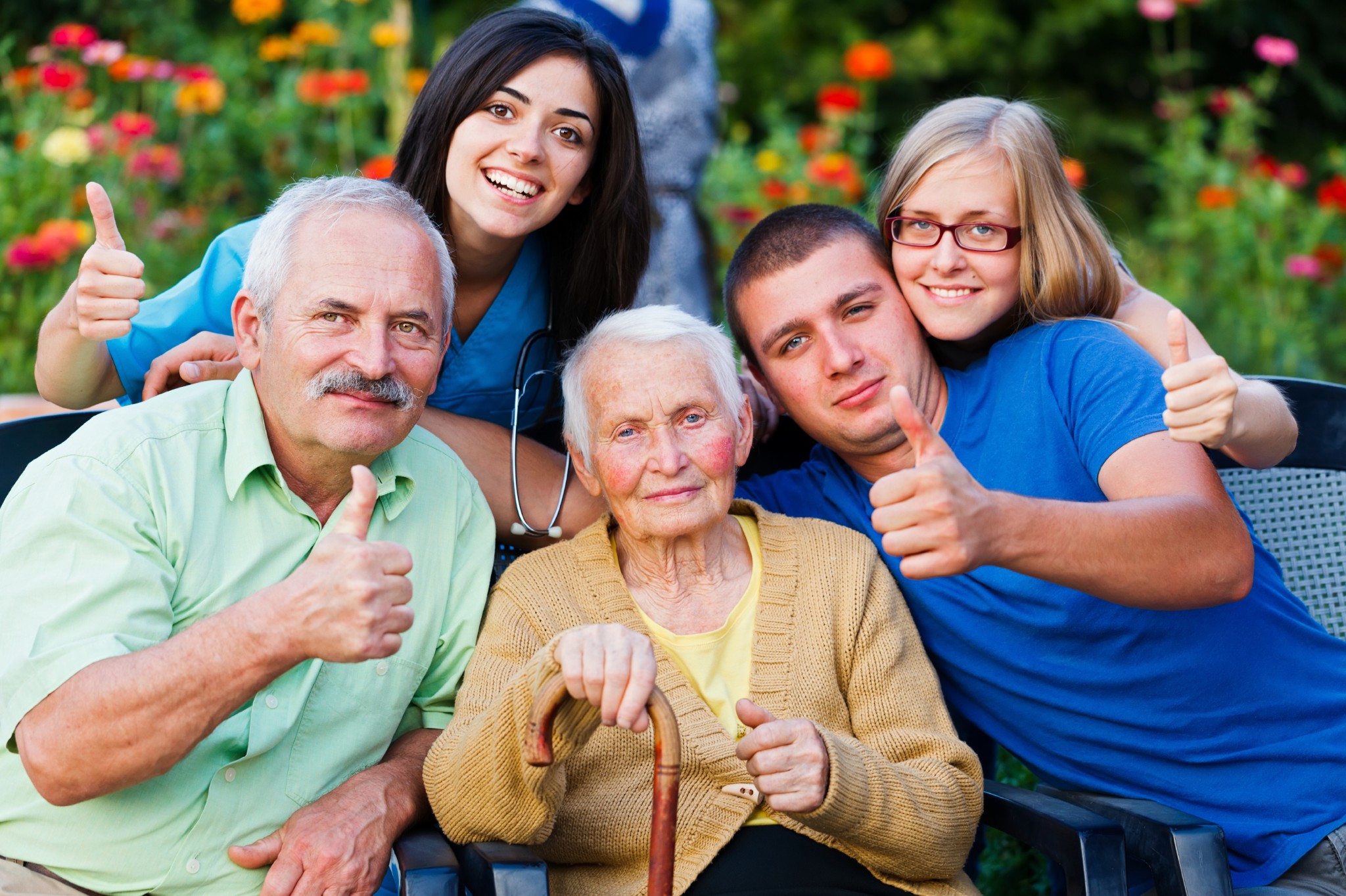
No one plans for a loved one to face neglect, loneliness, or loss of voice as they age. Yet, these risks grow quietly when care falls on the shoulders of just one person. A healthy circle of care—family, friends, community members, and professionals working together—makes all the difference. When support and decisions are shared, the older adult’s safety, dignity, and wishes stay front and center. Shared oversight is more than a safety net. It’s what allows older adults to remain not just protected, but truly connected.
Anna’s Story
When Anna’s father died, she quickly became the backbone of her mother’s care. Her siblings lived hours away, so Anna managed the bills, medical appointments, groceries, and all the little emergencies that come with aging at home. At first, everyone was grateful for her willingness to step up.
But as months passed, Anna’s helpfulness became a quiet habit. Her siblings relied on her updates instead of checking in themselves. Jean, her mother, began to say, “Ask Anna,” or let decisions happen without her input. Anna’s days blurred together with errands and paperwork, always feeling one step behind, always alone at the centre of it all.
No one meant for things to narrow this way. But with each passing season, Jean’s world grew smaller—and so did Anna’s. The more responsibility landed on Anna’s shoulders, the less anyone else saw, and the less Jean’s wishes were voiced.
The Hidden Risk of “Doing It All”
Anna’s experience is all too common. When one person ends up handling everything—finances, appointments, medications, and decisions—risk builds quietly. Without regular check-ins from others, errors and changes can go unnoticed. The older adult loses chances to speak privately, and their wishes may fade into the background.
This isn’t about blame. It’s about the vulnerability that arises when caregiving becomes an unsupported effort instead of a shared one. Even with the best intentions, isolation makes it harder to notice concerns, ask for help, or catch small problems before they grow.
Sharing Support and Oversight as a Protective Factor
There’s a better way. Sharing oversight creates a protective circle around both the older adult and the main caregiver. When roles are defined and decisions are shared, safety grows for everyone. Information flows openly. More eyes and ears mean issues are spotted sooner, and solutions are found together.
Oversight is not about distrust—it’s about everyone having permission to ask questions and to speak up if something feels off. When family, friends, and professionals pay attention together, the older adult stays at the heart of every conversation.
Abuse thrives in isolation; protection thrives in shared responsibility.
The Turning Point: What Shared Oversight Looks Like for Anna
Anna’s routine continued until a friend gently asked how she was managing. For the first time, Anna admitted she felt overwhelmed and alone. She realized she hadn’t truly talked with her siblings about their mother’s care in months. Jean, too, seemed more withdrawn and less involved in decisions about her own life.
Anna decided things had to change. She reached out to her brother and sister, this time not just to update them, but to ask for help. Together, they arranged a family call to talk openly about Jean’s needs. Her brother began handling medical appointments remotely, joining by speakerphone and following up with doctors. Her sister set up a regular schedule to visit every few weeks and take care of groceries and household tasks. Jean’s meals-on-wheels program was reactivated, and the local church that Anna and Jean were long time members of began making friendly check-in calls and helping with small tasks.
With more people involved, Jean found her voice again. Her children asked her opinion on major decisions and listened to her preferences. A home care nurse started visiting monthly, offering another set of eyes on Jean’s well-being.
Nothing changed overnight, but the load became lighter. Jean felt less dependent on a single person and more connected to a network of care. Anna felt less exhausted, more supported, and more confident that her mother’s wishes were being respected. A group chat kept everyone in the loop and made sure no one felt left out.
By widening the circle and sharing the work, they found not just better protection for Jean, but a healthier, more sustainable way to care.
Expanding the Circle: The Role of Organizations and Communities
Families are not alone in this work. Financial institutions can notice and flag changes in spending patterns, offering another layer of protection with the older adult’s permission. Care providers—like home care workers or nurses—are trained to document and share concerns appropriately, so nothing slips through the cracks.
Faith groups and community organizations can create safe spaces for older adults to speak independently, through regular visits, social gatherings, or confidential check-ins. Public education matters, too. When communities understand the risks of isolation and the importance of shared oversight, asking for a second set of eyes becomes a sign of care, not distrust.
Protection becomes a community value, not just a private concern.
Strengthening the Circle: A Call to Action
Who is in the circle around the older adults you care about? Take a moment to name them. Is there someone you could invite in—another family member, a neighbour, a volunteer, or a professional? Could you add one more checkpoint, one more connection, one more open conversation?
Strengthening the circle isn’t about adding rules or forms. It’s about making sure no one is carrying the weight alone, and no one’s voice is left out. Sometimes it means simply checking in after appointments or decisions, or analyzing the question, “Who else should know about this?” “Do we have a plan to protect?”
Safety doesn’t come from working harder. It comes from serving together.
By widening the circle and sharing the work of care, we can make elder abuse less likely—not just in theory, but in the everyday choices we make together.

Leave a Comment